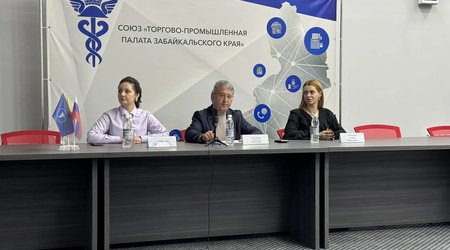
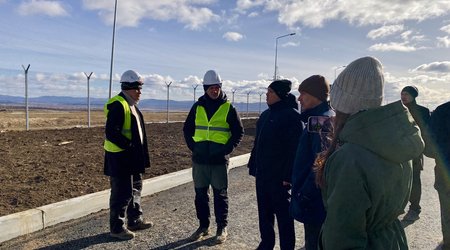
Pavel Volkov: "Our goal is to process copper into finished products here in Transbaikalia."
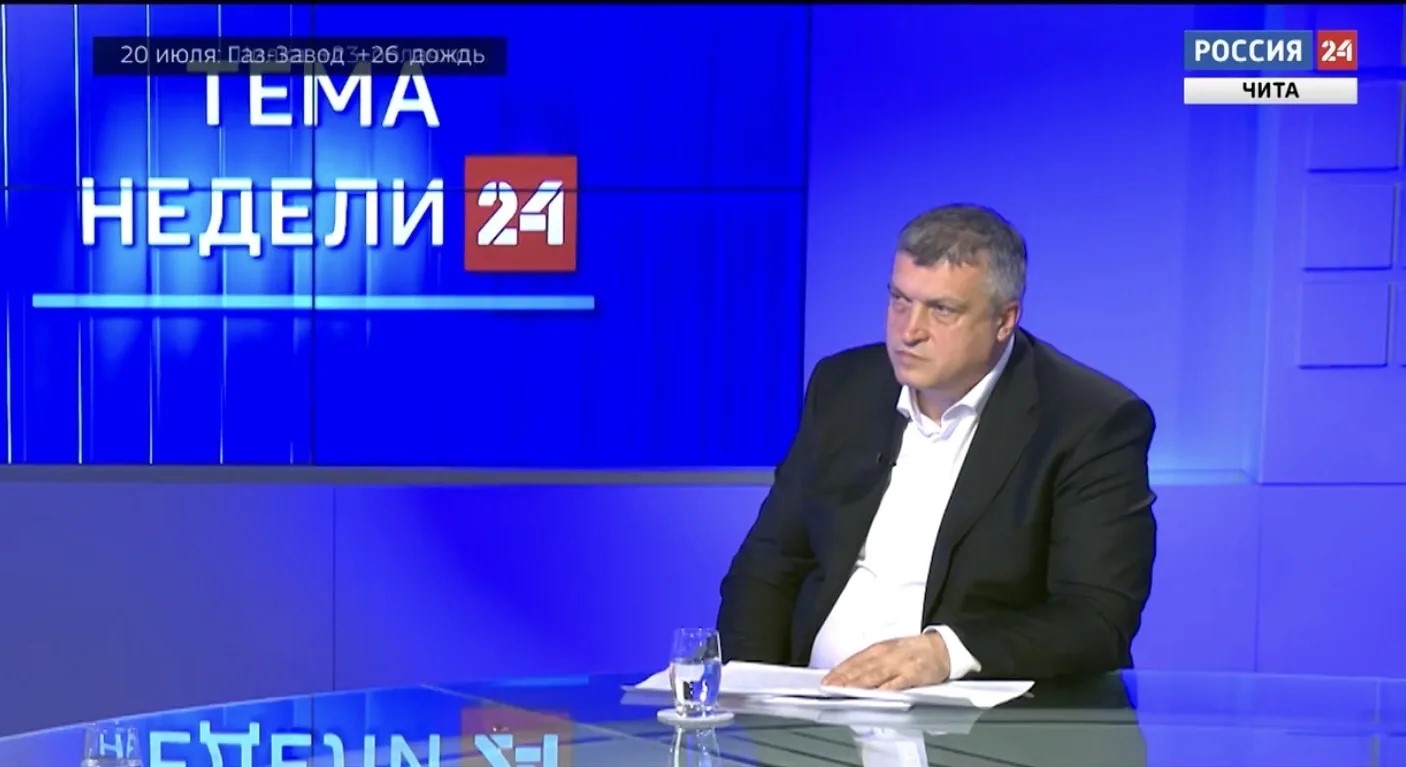
The Zabaikalsky Krai intends to develop not only mineral extraction but also advanced processing. One of the key projects could be the creation of a copper cluster, which will enable the production of finished products directly in the region. Acting Deputy Chairman of the Zabaikalsky Krai Government Pavel Volkov spoke about this on the "Tema Nedeli" program on the Rossiya 24 television channel.
The mining industry remains a key driver of the Zabaikalsky Krai economy. Today, enterprises generate approximately 30% of the regional budget revenue. More than 50 investment projects with a total investment of approximately 1 trillion rubles are being implemented in the region, and 12 mining and processing plants are at an advanced stage of completion. The industry employs over 40,000 people—almost 9% of the region's total workforce. Companies are increasingly investing in training. Educational programs are being implemented jointly with the Mining Academy of Zabaikalsky State University and the M.I. Agoshkov Zabaikalsky Mining College, and modern laboratories and educational spaces are being created. Students complete practical training and internships, receive scholarships, and have the opportunity to work at regional companies.
Transbaikal's significant potential lies in the development of its mineral resource base. The region's unallocated reserves contain 328 deposits, primarily metal ores, creating significant potential for new investment projects.
Resolving the energy shortage remains a key challenge for further industrial development. Currently, additional energy supplies are needed to implement 46 investment projects. The expansion of the Kharanorskaya State District Power Plant and the construction of a new power plant in the Khilok area will partially address this issue. Together, these projects will provide the region with approximately 1.5 GW of additional capacity.
In the interview, Pavel Volkov focused on the prospects for creating a copper cluster in Transbaikal. According to him, the region has one of the world's largest copper resource bases, and the next stage of development should be advanced processing of the raw materials. "Our goal is to process copper into finished products here in Transbaikal." Each subsequent stage of processing opens a new chapter in terms of added value. We are currently bringing together partners to process copper in the region—into building materials, cables, wires, and other in-demand products,” noted Pavel Volkov.
The copper cluster concept is currently in the development stage. Implementation of the project will increase the added value of products, expand sales markets, and create new high-tech manufacturing facilities.
Logistics development remains another strategic focus. Russia's longest land border with China and its eight border crossings create unique opportunities for the development of major transport and logistics hubs in the Zabaikalsk and Chita regions. At the same time, modernization of the Zabaikalsk international automobile border crossing continues.
Agricultural development is also a priority. Work continues with the Republic of Buryatia to create a wool cluster, which has already received federal support. Particular attention is being paid to the development of fine-wool sheep breeding in the Zabaikalsk region.
The regional government is also focusing on tourism development. In the Zabaikalsky Krai, the concept of the main tourist routes between Russia and China is being developed, road infrastructure is being developed, and projects for creating modern roadside infrastructure for auto tourists are being developed.
"Where a large enterprise emerges, opportunities arise for small and medium-sized businesses, infrastructure develops, roads are built, jobs are created, and new prospects for tourism open up," emphasized Pavel Volkov.
Subscribe to the Zabaikalsky Krai Development Corporation channel at MAX.